
When work became infinite, proof became essential
In an AI-saturated world, finished output often needs more context. Realwork records a selected window and lets you share the intervals, metadata, and integrity fields you choose. It can add review context, but it does not establish authorship or prove that AI tools were absent.
I thought AI was supposed to do my laundry and dishes so that I can do art and writing. Yet, here I am explaining to my mom that the video of two celebrities kissing on her feed is not real (this actually happened).
I don't blame her. And honestly, I don't blame the creators either. When tools make it trivial to generate convincing content at scale, “slop” isn't a moral failure—it's an incentive problem. Platforms optimize for engagement, creators optimize for reach, and audiences are left navigating a flood of output with limited context about what was made, how it developed, and what actually took effort.
When Scarcity Disappears
A lot of the discourse on AI recently makes sense if you can zoom out and look at history. Whenever humanity goes through a sudden shift from scarcity to abundance, it spirals into chaos before things finally settle down.
The most striking resemblance is Gutenberg 1440. Before that, it would have taken an army of scribes an entire decade to make 10,000 copies of a book. With the printing press, a single printer could produce that many in one month. Knowledge exploded overnight. Authority weakened. Gatekeepers lost control. Text could be copied, altered, anonymously republished, or falsely attributed. Authorship blurred. Trust collapsed.
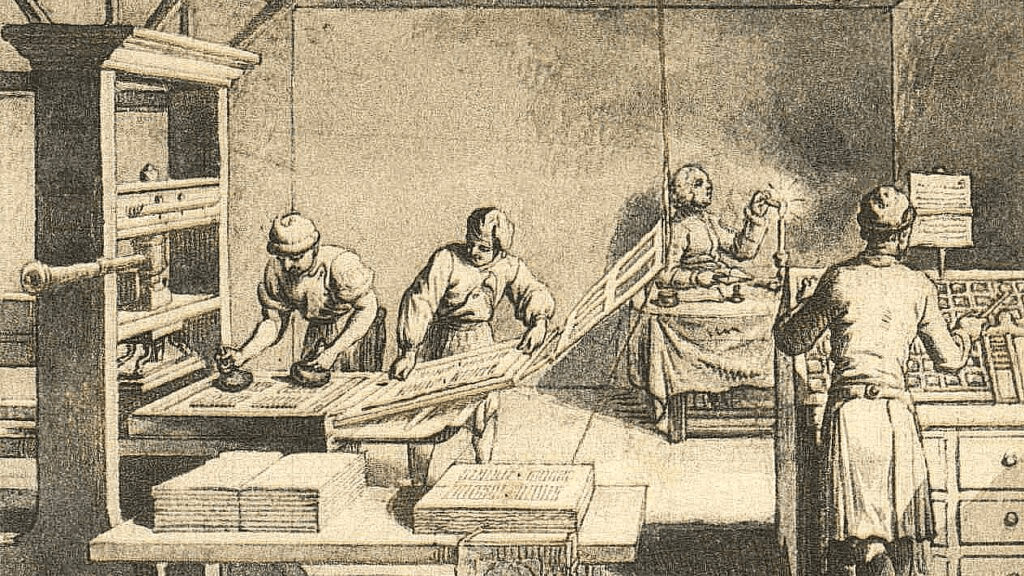
Sounds familiar?
The printing press didn't usher in instant enlightenment—it triggered ideological conflict, misinformation, and decades of instability.
Faster Than History Ever Was
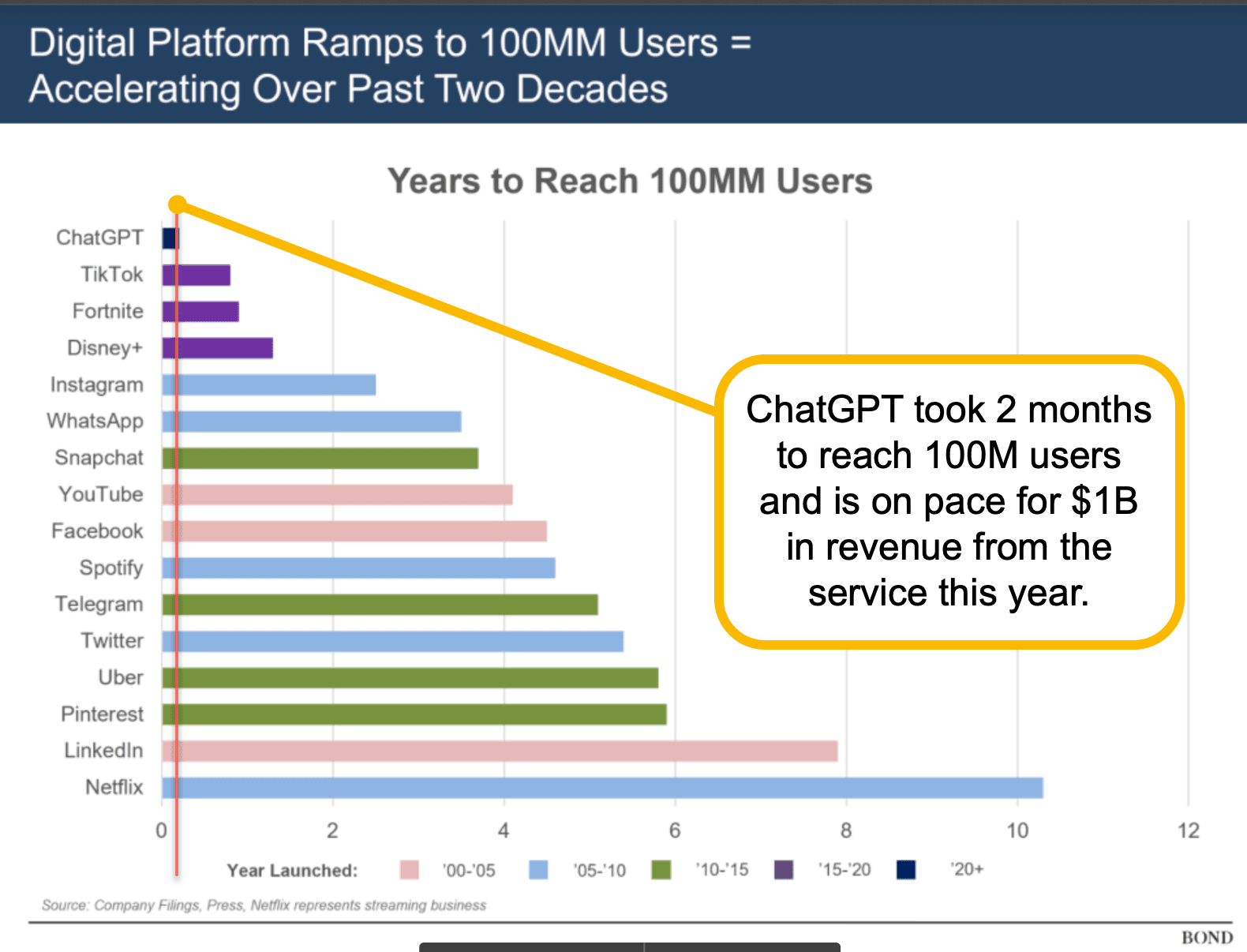
If this was the situation after 1440, assuming the involvement of physical parts added some friction in terms of rapid adaptation among the masses. Compare that to now and you have the same situation but 10x bigger and 100x faster.
Except this is not 1440 and the technology is not confined to printing text on a paper. It spans from text, art, code, design, music to knowledge and creativity as a whole.
The Real Problem Isn't AI
So what's the consequence? How does this end?
We can all at least collectively agree AI is not going anywhere whether you like it or not. But we can't let LLMs run away with creating endless slop either.
Just as the printing press was eventually stabilised through authorship, copyright, publishing standards, and systems of attribution that restored trust without restoring control, the chaos surrounding AI will likewise settle only once verifiable proof of origin and process emerges to separate meaningful work from noise.
Proof Replaces Control
How do you regulate that?
You don't.
We never banned presses, we didn't stop selling commercial printers. We didn't regulate people into thinking differently. We simply learned collectively how to distinguish legitimate work from noise.
Proof replaced control.
The same thing will happen with AI. Not through regulation, not through bans, certainly not through sketchy AI detectors. The human mind is not meant to be regulated; creativity certainly isn't. What can change is the amount of process context people choose to share.
The Lollapalooza Effect
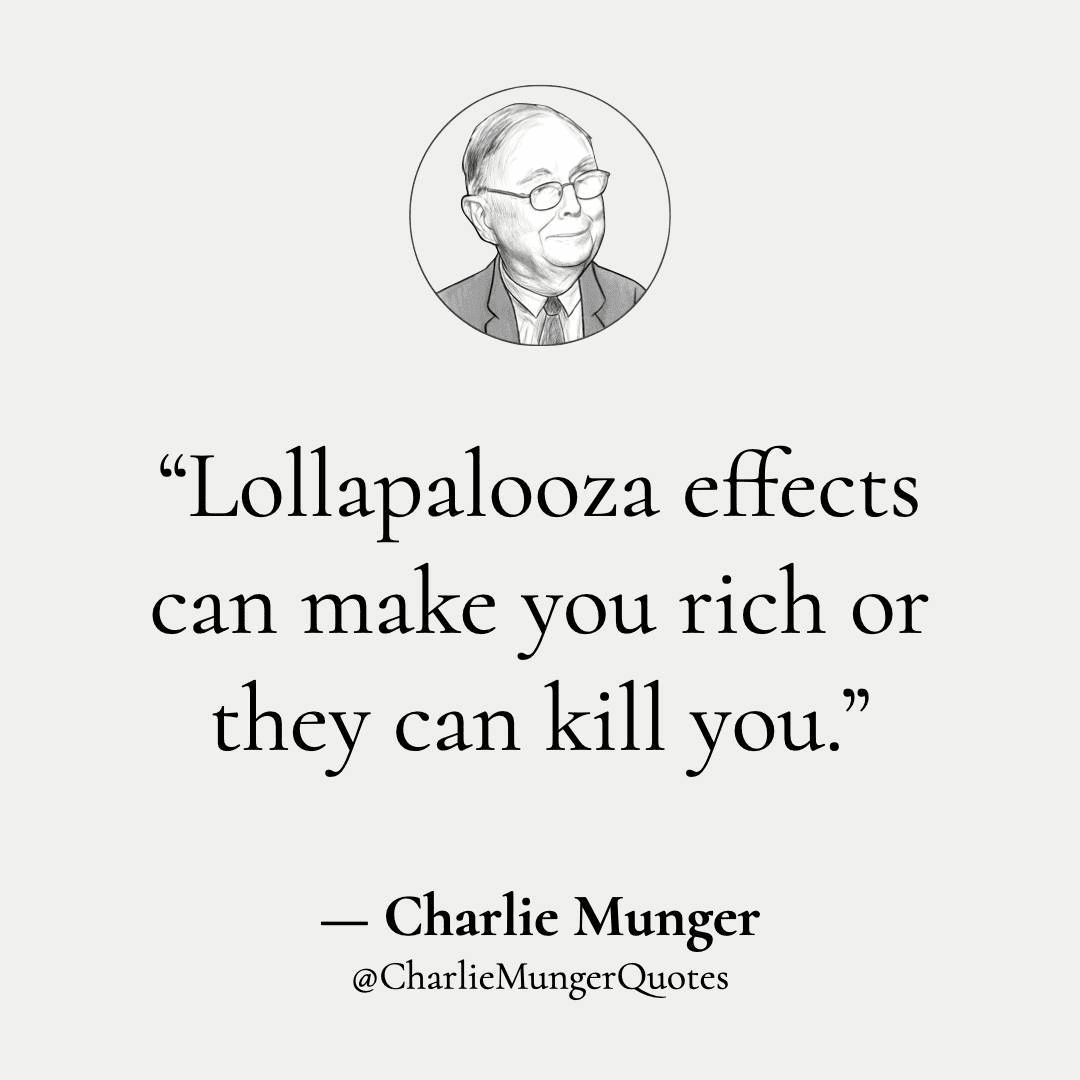
I recently watched this amazing video from Varun where he refers to the Lollapalooza effect—coined by Charlie Munger.
“Lollapalooza effects occur when there are multiple forces or factors moving in the same direction. The key is that when forces combine, they don't just add up; each force builds off of and strengthens the other, creating an explosive effect with huge results.”
That's when something clicked.
- AI models are getting cheaper and faster.
- Platforms reward speed, volume, and novelty.
- Audiences are overwhelmed and increasingly skeptical.
- Creators are questioned by default.
The idea I had 4 months ago when starting this project, stopped feeling abstract and started feeling inevitable.
Once you start seeing the pattern, it's hard to unsee it.
The Inevitable Outcome
Each of these forces alone would be manageable. Together, they compound.
When output becomes infinite, trust collapses. When trust collapses, creators are forced to prove themselves. And when proof becomes necessary, process turns into the only credible signal left.
This isn't a future problem. It's already happening.
- Writers can't use em dashes anymore.
- Artists are accused before they are appreciated.
- Students are doubted, submissions run through inaccurate AI detectors.
- Game studios and big brands steer away from any AI usage or risk losing trust.
It's everywhere
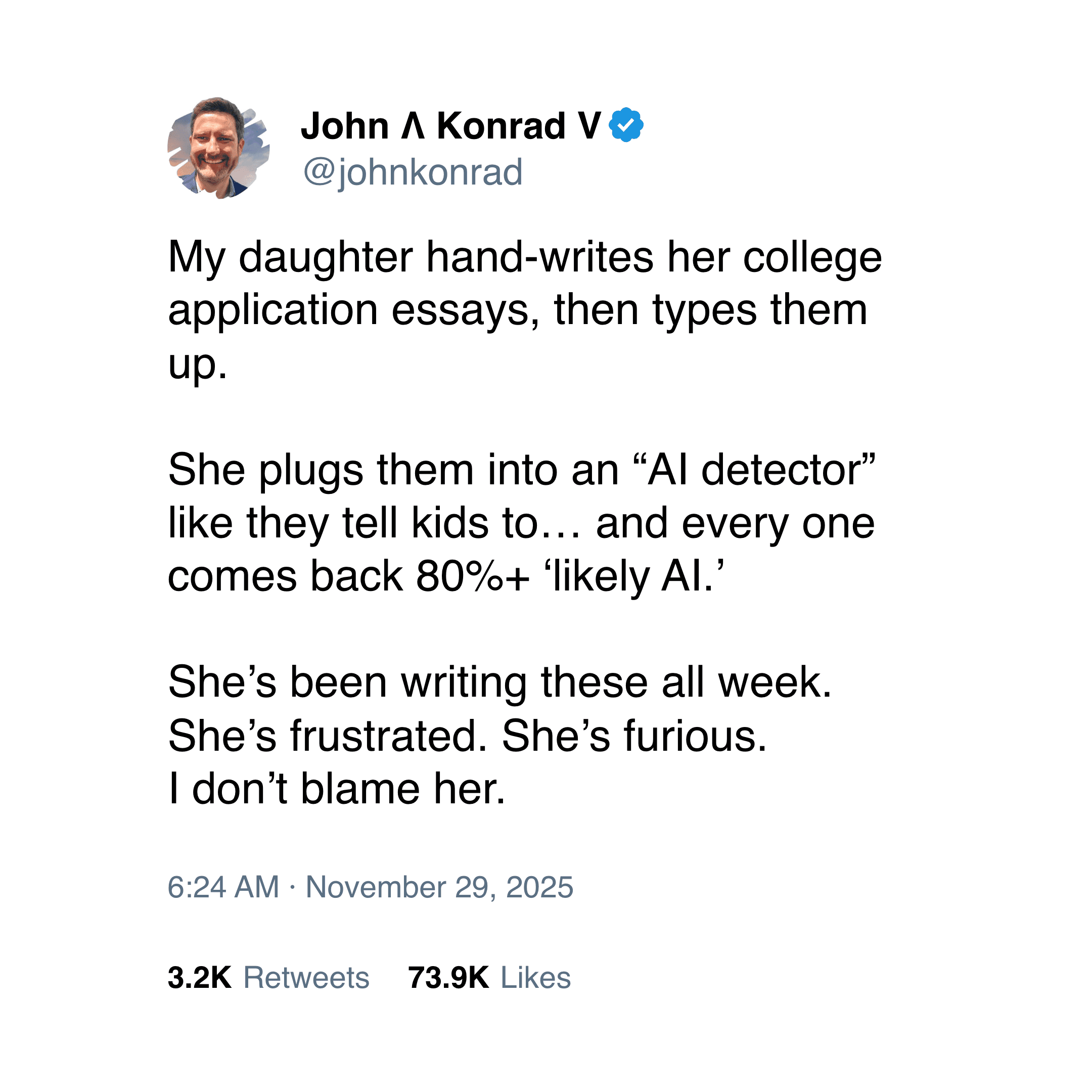
In a world like this, having raw and genuine skill isn't enough anymore. You need a way to show it.
Why This Exists
Not to fight AI.
Not to detect it.
Not to decide what counts as “real” creativity.
But to preserve something that's quietly disappearing—The value for human effort.
The pauses.
The revisions.
The wrong turns.
The time spent staring at a blank screen.
The parts that don't show up in the final output.
Not as surveillance.
Not as productivity theatre.
But as process context.
Context for how selected work developed—not proof that a person made it or that AI was absent.
See how this post was written →
The World That's Coming
If not there already, we are moving towards a world where finished work is abundant but context is scarce. Where output alone says less. Where effort, intent and attribution require more than a single signal.
Digital work still needs review on its own terms. Process context can add to that review, but it is not a definitive test of whether a work is real or how it was made.
Just like after the printing press, we won't stop creating. We can stop trusting blindly, and learn to weigh process records alongside source files, drafts, and human review.
In that world, process context doesn't limit creativity. It can help reviewers ask better questions.
That's Realwork.